

-
View
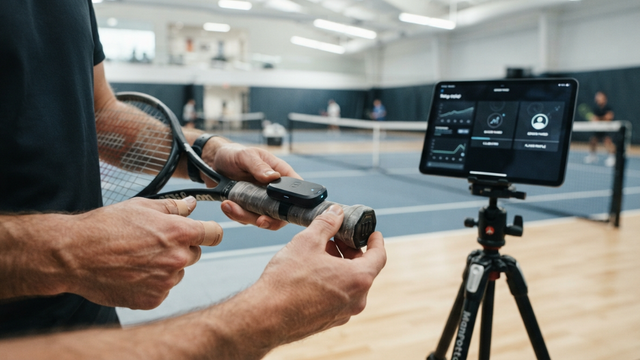
New equipment is only useful if it actually gets set up and used correctly, which is why a clear Tenniix user guide matters more than it might initially seem. Skipping proper setup is one of the most common reasons new owners end up frustrated with training equipment in the first few sessions, long before the machine itself becomes the actual limiting factor.
A quick-start checklist covering the basics — charging, ball loading, initial app pairing — solves most of the early friction that causes people to abandon new equipment. Rather than guessing at settings through trial and error, following a structured first-session process tends to produce a smoother experience and a more accurate first impression of what the machine can actually do. Many owners who skip this step end up forming an unfairly negative opinion of a machine that was simply misconfigured from the start.
App instructions deserve particular attention, since most modern training machines rely on a connected app for drill selection, speed adjustment, and session tracking. Understanding how to navigate that app before a first session — rather than during it — keeps practice time focused on actual hitting rather than troubleshooting a connection issue mid-session.
For players comparing setup complexity across different models before purchasing, it’s worth looking at the broader product range at Tenniix, since entry-level machines are generally simpler to configure than vision-equipped systems with more advanced tracking and calibration requirements.
Troubleshooting resources matter just as much as initial setup, particularly for anything involving app connectivity, calibration, or voice control features. A well-organized support resource that addresses common issues directly saves significant time compared to generic troubleshooting searches, and reduces the likelihood that a fixable issue gets mistaken for a defective unit.
First-session expectations are also worth setting realistically. A brand-new machine, even one set up correctly, may need a session or two of minor adjustment before feed consistency feels fully dialed in — not because anything is wrong, but because settings like spin and trajectory often benefit from small manual fine-tuning based on a specific court surface or player preference.
The broader point applies to any piece of connected training equipment: the technology itself is only as good as the onboarding experience. A machine with excellent tracking capability that’s difficult to configure correctly will underperform, in practice, compared to a simpler machine that’s set up correctly from the first session.
Keeping firmware and app software up to date is another maintenance detail that’s easy to overlook once initial setup is complete. Manufacturers periodically release updates that improve tracking accuracy or add new drill options, and skipping these updates can mean missing out on meaningful improvements to a machine’s performance long after the original purchase.
Taking the time to actually read through the full setup guide once, rather than skimming just enough to get the machine running, also tends to pay off later. Features mentioned briefly in a manual — an alternate control mode, a specific drill preset, a calibration shortcut — are easy to miss during a rushed first setup and often go unused for months simply because the owner never knew they existed.
Bookmarking the official documentation page rather than relying purely on a printed quick-start card also helps, since online guides are typically updated as software changes while a printed insert reflects only the state of the product at the time of shipping. Referring back to the most current version of the guide avoids following outdated instructions for features that may have since changed.
FAQ
What’s the most common setup mistake new users make? Skipping initial app pairing or calibration steps, which often causes inconsistent feeding until corrected.
Is professional installation required? No, most systems are designed for straightforward self-setup, typically completed within a few minutes.
Where should someone look first if a machine isn’t working correctly? Checking the manufacturer’s troubleshooting guide before assuming a hardware defect resolves most common issues quickly.
Should I expect a new machine to feel perfectly dialed in right away? Not always. Small fine-tuning over the first session or two is normal and doesn’t usually indicate a problem.